Editable Business Card Templates for a Sharp Brand Identity
First impressions in the professional world are often silent, tactile exchanges. A business card is more than just contact information; it is a physical manifestation of your brand's identity. When you hand someone a card, you are handing them a piece of your business's personality. This is why settling for a generic, off-the-shelf design can be a missed opportunity. A well-designed card speaks volumes before a word is exchanged, conveying professionalism, attention to detail, and the quality of your services. It serves as a miniature portfolio piece that stays in a wallet or on a desk long after a meeting ends.
Visual Characteristics and Design Personality
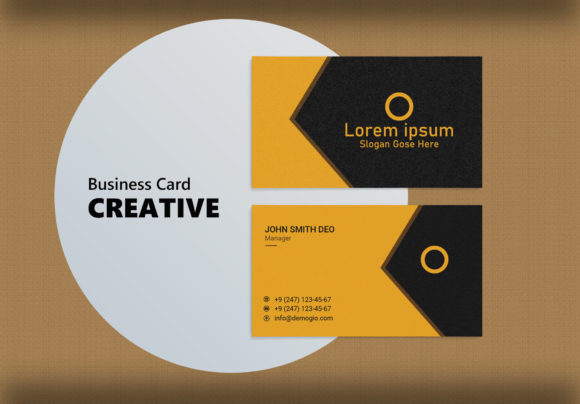
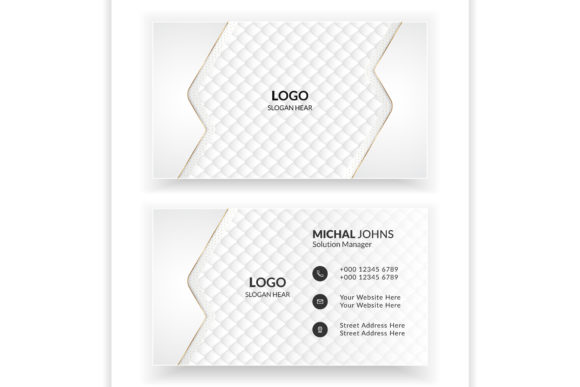
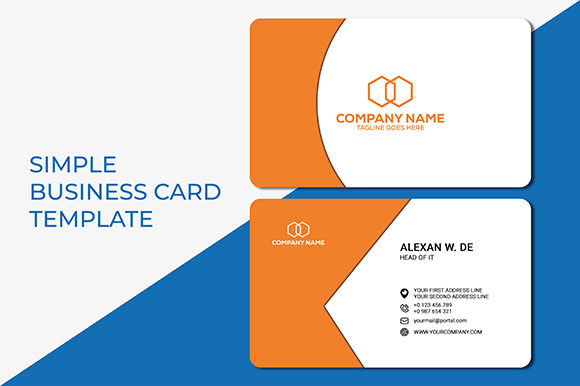
The core of this offering is a completely unique and custom editable business card template. It moves beyond static designs by providing a foundation that adapts to your specific brand vision. The template comes with three distinct color variations: a trustworthy Blue, an energetic Orange, and a sophisticated Gray. This trio provides a solid starting point, allowing you to choose a palette that resonates with your industry and audience. The visual style leans towards modern typography and clean lines, ensuring the final product feels current and professional. The overall appeal lies in its balance of structure and flexibility; it offers a polished layout that avoids looking cluttered, yet has enough room for your unique content to breathe.
What sets this apart is the level of control it affords. You receive the source files (PSD), which means you are not just filling in blanks. You have access to every layer, every shape, and every text element. This is crucial for anyone who wants to tweak kerning, adjust a logo placement, or experiment with a font pairing that truly represents their brand. The inclusion of a 300dpi resolution and CMYK print-ready version is non-negotiable for quality output. It ensures that the colors you see on screen translate accurately to the printed piece, avoiding the common pitfall of dull or off-hue prints. This attention to technical specifications is what separates a hobbyist project from a professional design asset.
Practical Applications Across Industries
The versatility of these editable business card templates makes them suitable for a wide array of professionals. For a small business owner or entrepreneur, the template offers a quick path to a credible brand presence without the overhead of a full custom design agency. They can easily input their details, swap the color to match their existing logo design, and have a print-ready file in a short amount of time. The three color variations allow for testing; perhaps the Gray suits a corporate consulting firm, while the Orange is perfect for a creative marketing agency.
Graphic designers and freelancers can leverage these templates as a starting point for client projects. Instead of building a layout from scratch, they can focus their energy on the creative details—selecting the perfect display font for the client's name or incorporating a subtle texture into the background. This efficiency is valuable in a fast-paced workflow. For bloggers, content creators, and crafters, the card becomes an extension of their digital brand. A consistent brand identity across social media graphics, web design, and physical materials builds recognition. The ability to edit your color easily ensures that the card can be updated as their brand evolves, perhaps with seasonal campaigns or new product lines.
Even for personal use, such as for a hobbyist photographer or a community event organizer, a professionally designed card elevates the perception of their work. The included font download link is a thoughtful addition, ensuring that the typography remains consistent if you need to use the same typeface elsewhere in your branding materials. This consideration for the entire design ecosystem is a hallmark of a well-crafted design asset.
Guidance for Effective Implementation
Simply having the files is only the first step. To get the most out of these editable business card templates, consider a few practical steps. First, evaluate the template's fit with your existing brand identity. Does the layout's visual hierarchy align with how you want information to be perceived? The name and title should be the focal point, followed by contact details. Test the readability of the default fonts at a small scale. While a decorative script font might look beautiful on screen, it can become illegible when printed at standard business card dimensions. This is where having the editable files is a significant advantage; you can swap it for a cleaner sans serif font for the body text.
When you open the PSD file, take a moment to understand its structure. Look at the layers—often, elements like social media icons or secondary phone numbers are on separate layers that can be hidden or moved. This allows you to customize the template for different roles within your company or for different contact scenarios. For instance, a salesperson's card might highlight a direct phone number, while a designer's card might emphasize a portfolio website. The CMYK print-ready version is your final output file, but always request a physical proof from your printer before a full run. Colors can vary between printers, and a proof lets you verify that the Blue, Orange, or Gray meets your expectations.
Finally, think about the paper stock. A premium template deserves a premium material. A thicker cardstock with a matte or soft-touch finish can enhance the tactile experience and reinforce the perception of quality. The goal is to create a cohesive experience from the visual design to the physical object. By thoughtfully applying your brand elements, choosing appropriate typography, and paying attention to production details, these editable business card templates become a powerful tool for making a memorable and professional impression. They provide the foundation; your brand's unique story provides the soul.