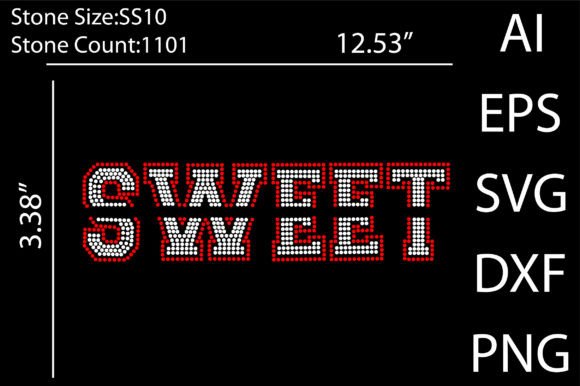
Sparkle and Strategy: Using Sweet Rhinestone Templates Design
When you think of adding a bit of sparkle to your work, the first thing that comes to mind is often physical embellishment. However, the digital foundation of that sparkle is just as crucial. Sweet Rhinestone Templates Design isn't just a set of files; it's a specialized asset for creators who want to blend the tactile appeal of rhinestones with the precision of modern digital design. If you've ever struggled to translate a glittering concept into a cut-ready file for a heat press or a clean vector for a logo, you know the frustration. This template set is built to bridge that gap, providing a professional starting point that respects both the craft and the business behind it.
Understanding the Anatomy of a Rhinestone Template
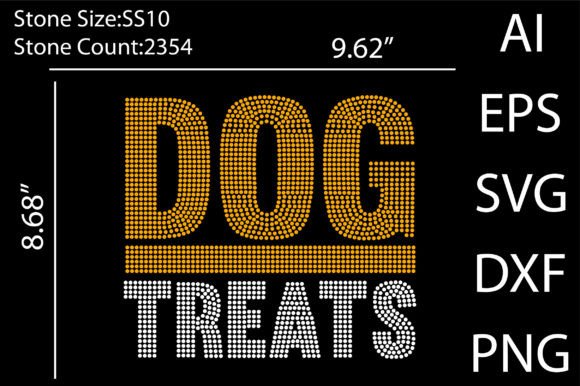
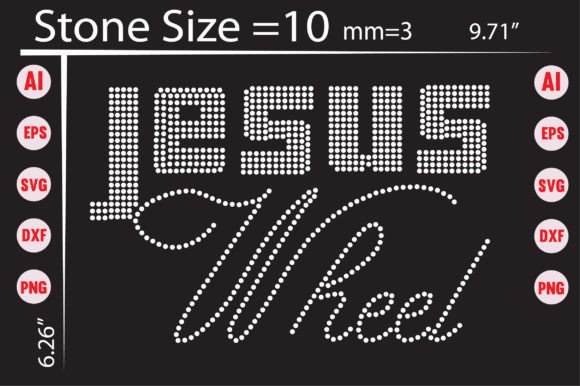
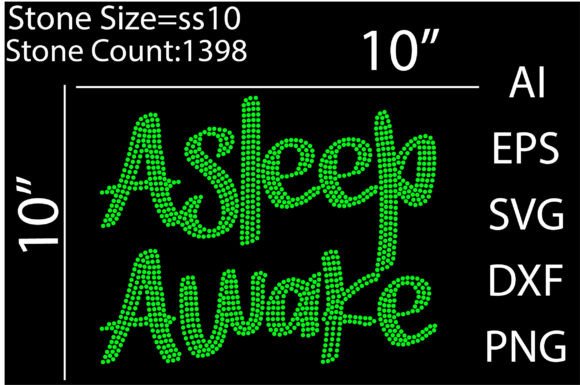
At its core, a rhinestone template is a map. It dictates the placement, density, and flow of individual stones to create a cohesive image or text. Sweet Rhinestone Templates Design excels in this by offering a variety of file formats—each serving a distinct purpose in your workflow. The vector files (AI, EPS, SVG, DXF) are the workhorses. They allow you to scale the design infinitely without losing quality, which is non-negotiable for creating everything from small chest logos to large back prints. The transparent PNG and high-resolution JPEG are your proofing and mockup allies, letting you visualize the final look on products before a single stone is cut.
The real value lies in the editability. Because these are not locked raster images, you can adjust line thickness, modify spacing, or even combine elements from different templates within the set. This flexibility is what separates a generic craft project from a polished, professional product. For a small business owner, this means you can take a base design and adapt it for different product lines—a simplified version for a mug and a denser, more intricate version for a cushion cover—without starting from scratch.
Where This Design Asset Truly Shines
The applications for Sweet Rhinestone Templates Design extend far beyond the obvious. Of course, it's perfect for creating custom apparel, but let's think strategically. For entrepreneurs and brand strategists, these templates can become a core part of a brand identity. Imagine a boutique clothing line where every piece features a subtle, rhinestone-adorned signature motif. That creates instant recognition and a premium feel. The templates provide the consistency needed to maintain that brand mark across hundreds of items.
For content creators and bloggers, the visual appeal is undeniable. Using a stylized, sparkling element in social media graphics or thumbnails can stop the scroll. The display font quality of the templates—meaning their ability to act as bold, attention-grabbing headlines—makes them ideal for promotional graphics for events, sales, or product launches. When paired with a clean sans serif font for body text, the rhinestone design becomes a powerful focal point without sacrificing readability.
Practical Pairing and Readability
Speaking of pairing, this is where practical guidance matters. Sweet Rhinestone Templates Design has a distinct personality—playful, detailed, and tactile. It functions best as an accent, not the primary workhorse of a text-heavy layout. Use it for headlines, logos, monograms, or decorative borders. For the supporting text, choose a typeface that complements without competing. A geometric sans serif font offers a clean, modern contrast. A simple serif font can add a touch of traditional elegance. Avoid pairing it with another highly decorative script font or handwritten font, as this will create visual chaos and undermine professionalism.
Always test your pairings in context. Place the rhinestone headline next to your chosen body font on a mockup of your final product—a t-shirt, a social media post, a website banner. Check for visual hierarchy. Does the eye flow naturally from the sparkling headline to the informative text? The goal is to use the template's inherent visual hierarchy to guide the viewer, not overwhelm them.
Integrating into Your Creative and Commercial Workflow
Adopting a new design asset requires a smooth integration. The multi-format ZIP folder provided with Sweet Rhinestone Templates Design is designed for this. Here’s a practical breakdown of how to use each file:
- AI & EPS Files: Open these in Adobe Illustrator or a compatible vector editor. This is your primary workspace for editing, customizing colors (if you're using the design for print, not just stone placement), and preparing final cut files for your plotter.
- SVG & DXF Files: These are often the preferred formats for cutting machines like Cricut or Silhouette. They ensure clean, precise cuts for your stencil material, which is the first step in the rhinestone application process.
- Transparent PNG (300ppi): Use this high-resolution file for digital mockups, client presentations, or even as a overlay element in graphic design software like Canva or Photoshop for creating marketing materials.
- JPEG (300dpi): Ideal for quick reference, mood boards, or printing a physical proof to check scale and detail before committing to the production process.
When evaluating if this template set is the right fit for a project, consider the end goal. Is it for personal hobby use, or will the final products be sold? The files are provided with a license, so reviewing the terms for commercial use is a critical, non-negotiable step. For any professional endeavor, understanding your rights to use and modify the asset protects your business and ensures you're operating ethically.
Ultimately, Sweet Rhinestone Templates Design is more than just a collection of pretty patterns. It's a design asset that empowers you to produce high-quality, customized rhinestone projects efficiently. By treating it as a professional tool—understanding its components, testing its applications, and integrating it thoughtfully into your workflow—you can elevate your creations from simple crafts to branded merchandise, memorable marketing collateral, or standout pieces in your portfolio. The sparkle is in the design; the strategy is in how you use it.